LCP Laser Cut Processing

Glas Bead Blasting of surfaces

Individual surface processing of your components

Small beads, big effect

Glass bead blasting is a processing method for modifying the surface of components. It is used to refine materials such as sheet metal, brass, bronze and ceramics. The processing objective can vary depending on the application. From an optical point of view, glass bead blasting is used to clean possible production residues and for the decorative surface design of components.

However, different processing parameters can also be used to strengthen or refine the surface structure, thereby reducing the workpieces' susceptibility to dirt and extending their service life.

Technical Details

  • glass beads are iron-free and therefore chemically neutral
  • gentle cleaning of different materials
  • removes worn layers or adhesive residue
  • smoothes and densifies metallic surfaces
  • refines materials and creates decorative surfaces
  • homogenizes the appearance of the surface

How does the blasting process work?

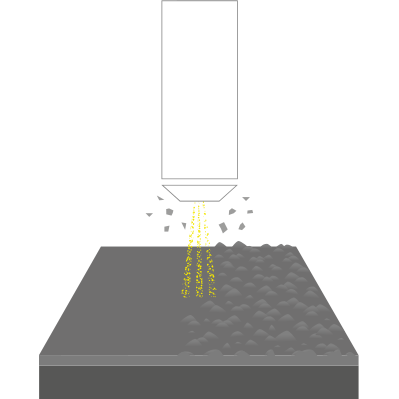
Glass bead blasting is an important part of surface technology. In this process, small glass beads are thrown at high speed onto a surface to be treated. 

The process specifically changes the surface roughness and therefore the Rz and Ra values - these are the average roughness depth and the arithmetic mean roughness value. This changes properties such as the adhesion of coatings, the corrosion behavior and the visual appearance.

Processing options for a surface using glass bead blasting

The component area to be cleaned or modified is treated by bombarding it with glass beads. Different surface effects are possible with the glass bead blaster:

  • Surface smoothing: Smoothing and deburring the surface removes any traces of processing - even from components made of particularly sensitive materials.
  • Surface compaction: The impact of the glass beads results in minimal plastic deformation - the surface is compacted.
  • Surface hardening: Hardening the surface makes it less susceptible to dirt. For this purpose, residual compressive stresses are induced in the area close to the surface.

Glass bead blasting is also used for matting, creating a matt and satin look. Fine structuring, on the other hand, creates a fine and uniform surface structure. A more filigree structure is possible here than with other blasting processes.

Which materials are suitable for finishing with glass bead blasting?

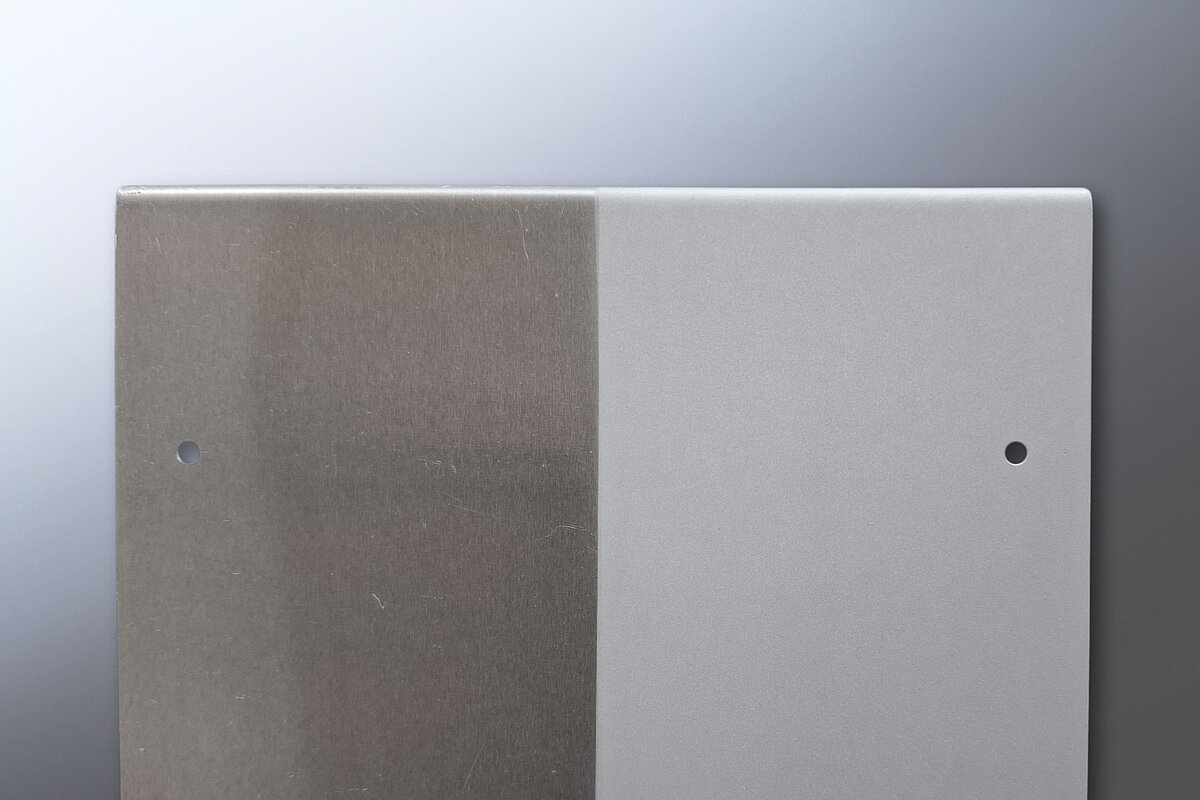
Glass bead blasting can be used as a processing method for various components. Here it is used for surface finishing and structuring. Stainless steel (VA steel) in particular is often refined using glass bead blasting. The gentle smoothing process ensures an even, silky-glossy surface.

Aluminum also benefits from the gentle treatment and is given a silvery metallic sheen.

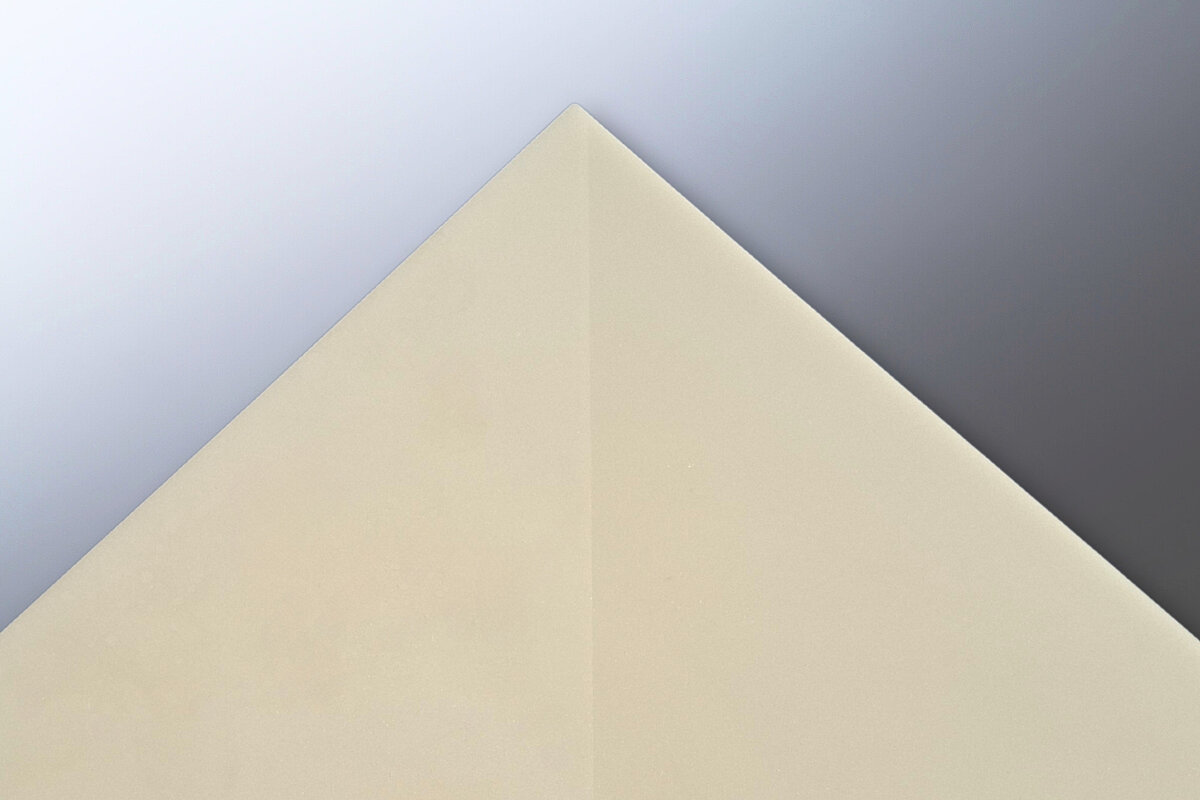
In the case of technical ceramics, it is used for surface cleaning, burr removal or to create a uniform, matt structure.

For which products is the process used?

The process has various areas of application and is used in areas such as mechanical engineering, the automotive industry and tool manufacturing. In surface treatment, the process is used to remove tarnish and work marks. The gentle effect mentioned above also ensures that high-quality surfaces for medical products such as surgical instruments and jewelry can be made from precious metals.

What is the difference between sandblasting and glass bead blasting?

These are two surface processing methods that differ fundamentally in various aspects:

  • The blasting medium

    Round glass beads with a diameter of 0.2 to 2.5 millimetres are used for glass bead blasting different surfaces. Sandblasting, on the other hand, uses various abrasive materials such as sand, silicon carbide or aluminum oxide (Al2O3).

  • The surface effect

    Glass bead blasting creates a smooth and even surface, resulting in a silky and glossy finish. The method is gentle and is therefore also suitable for sensitive materials. Meanwhile, sandblasting produces a rougher surface. The aggressive cleaning effect reliably removes coatings and materials.

  • Efficiency and speed

    Depending on the surface effect, there are different metrics for speed. Sandblasting is fast and effective at removing coatings and soiling. Glass bead blasting, on the other hand, is a slower, finer process.

  • Effects on the environment and health

    Glass bead blasting generates little dust, making it more environmentally friendly and safer for operators. This is further emphasized by the possibility of using reusable media. In comparison, sandblasting generates more dust.

  • Possible areas of application

    The polishing and finishing of sensitive surfaces is the most important discipline of glass bead blasting. Paint stripping, rust removal and the general preparation of surfaces for further processing, on the other hand, are not covered by sandblasting.

What are the costs of glass bead blasting?

The cost of glass bead blasting varies depending on the job. Below is a look at the possible cost factors that are decisive here:

Processing time:
The time required for surface processing is a decisive factor in determining costs. Shorter processing times have a positive effect on costs.

Blasting agent consumption:
In addition to consumption, costs are also incurred by the type of blasting agent selected. 

Object size and condition:
The size, shape and surface condition of the object to be processed are also reflected in the costs.

What are the challenges of glass bead blasting surfaces?

The greatest challenge lies in the area of precision and uniformity: the surfaces of complex workpieces are particularly worth mentioning here. The aim is to achieve uniform blasting of differently profiled surfaces. This should create a uniform structure across the entire workpiece. Fine details and decorations must be processed in such a way that they remain undamaged.

Material-specific adjustments also play an important role. Depending on the material, finer glass beads and adapted pressure settings are used.

Other services for you

Discover our different technologies now and take a look at our available materials. In addition, get to know our industries.


Your contact

Attachments