Laser Cutting: Precision Machining of Light Metals
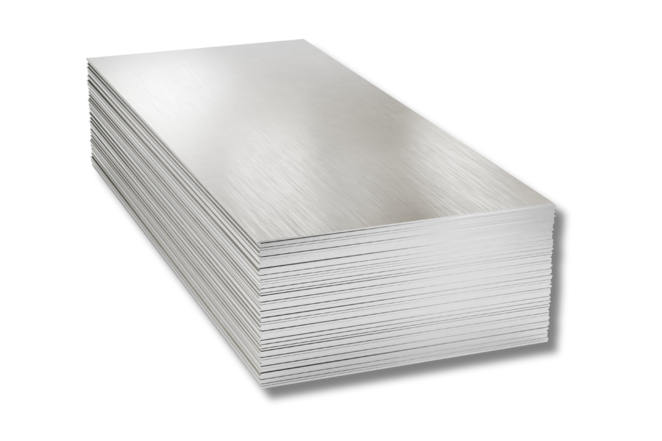
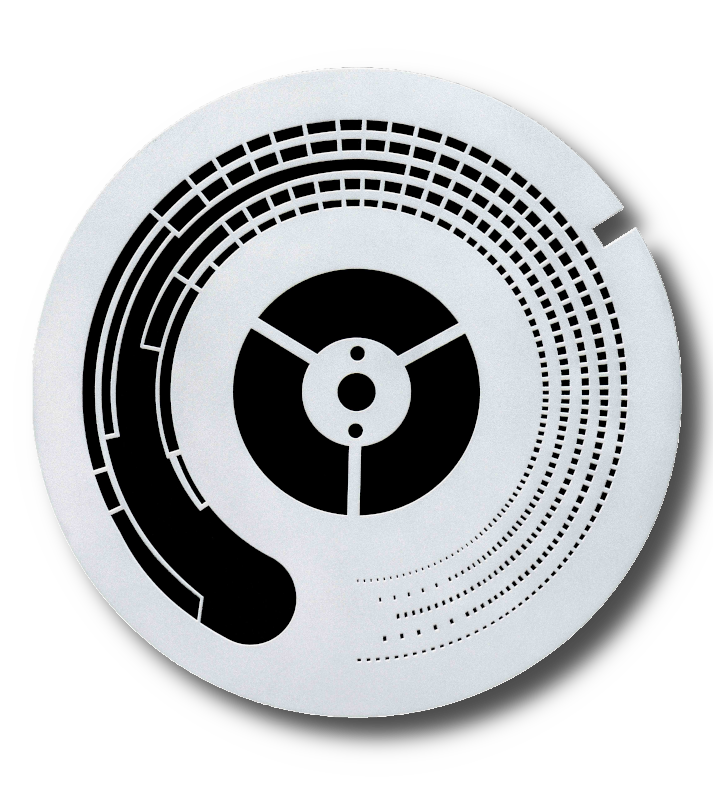
Laser processing of light metals includes precision laser cutting, welding, and marking of aluminium, Miro, titanium, and other materials. Due to their low weight and high strength, these materials are used in components for the aerospace and automotive industries, in medical technology, and in the construction industry. Lightweight metals and their use in reducing the weight of components are becoming increasingly important when it comes to energy conservation and environmental protection. Find out how our laser processing specialists can help you meet your challenges.
What are the properties of light metals? What are their advantages?
- relatively high strength with low own weight
- good deformability
- good water resistance
- good corrosion resistance
- long service life and durability
Due to these properties, light metals are highly versatile, making them attractive for use in the automotive, aerospace, and construction industries.
-
Which is lighter: titanium or aluminium?
Aluminium is lighter than titanium: While the density of titanium is 4.51 grams per cubic centimeter, that of aluminium is 2.7 grams per cubic centimeter. However, both materials have unique properties, such as titanium’s corrosion resistance on the one hand and aluminium’s high strength on the other. To combine these advantages, a titanium-aluminium alloy is ideal—these are known as titanium aluminides.
-
What are the advantages of titanium in aviation?
The advantages of titanium lie in its properties, as mentioned earlier: heat resistance and fatigue resistance are just as important here as its high strength-to-weight ratio and specific gravity. Engine and landing gear components, in particular, benefit from these properties. In addition, a wide range of aviation components can be manufactured using titanium. The manufacturing process relies on both mechanical machining—such as the precision bending of titanium sheet metal—and laser cutting of titanium.
-
How does laser processing of titanium differ from that of aluminium?
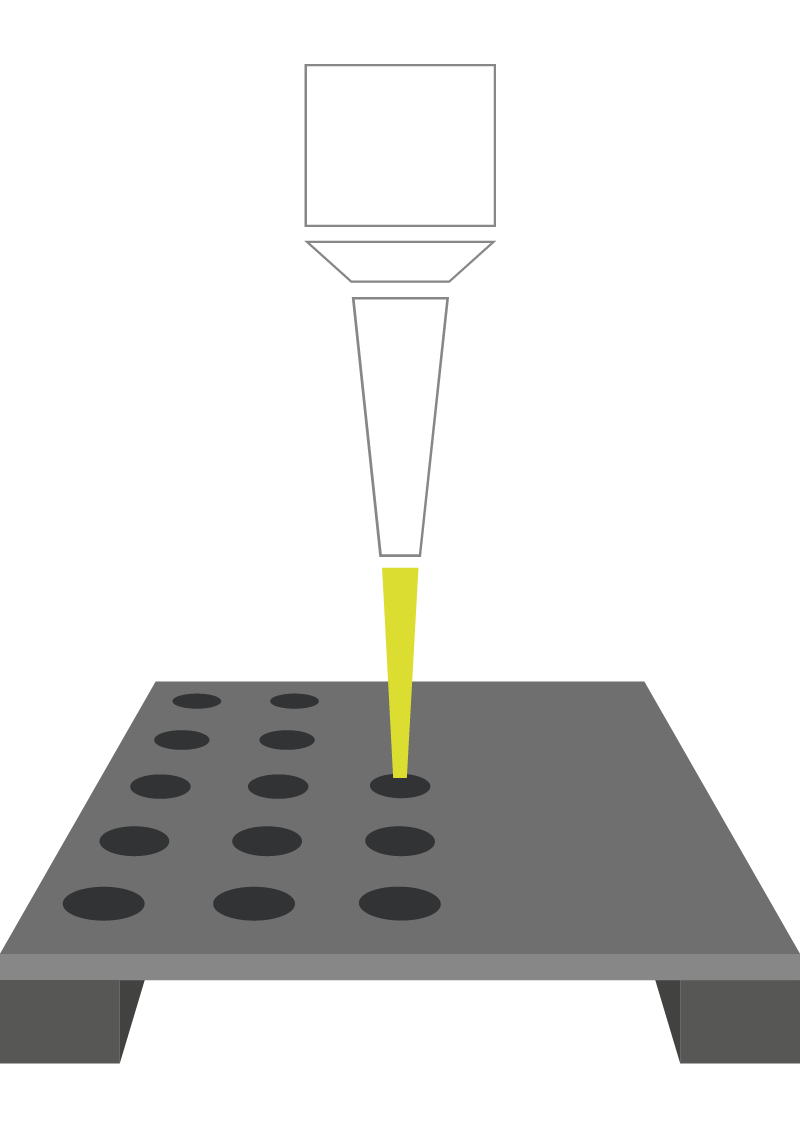
Laser processing of titanium and aluminium involves various techniques that are largely determined by the properties of the materials. Both titanium and aluminium—frequently used in the aerospace and medical technology industries—require specific adjustments during laser cutting, engraving, and polishing.
1. Titanium Laser Cutting:
- Laser Requirements: Titanium is characterized by high strength and heat resistance, which requires higher laser power during cutting. This enables precise cutting, which is crucial for applications in high-precision industries such as medical technology.
- Heat-Affected Zone: Titanium’s high thermal capacity results in a relatively narrow heat-affected zone, which helps minimize warpage and improve surface quality.
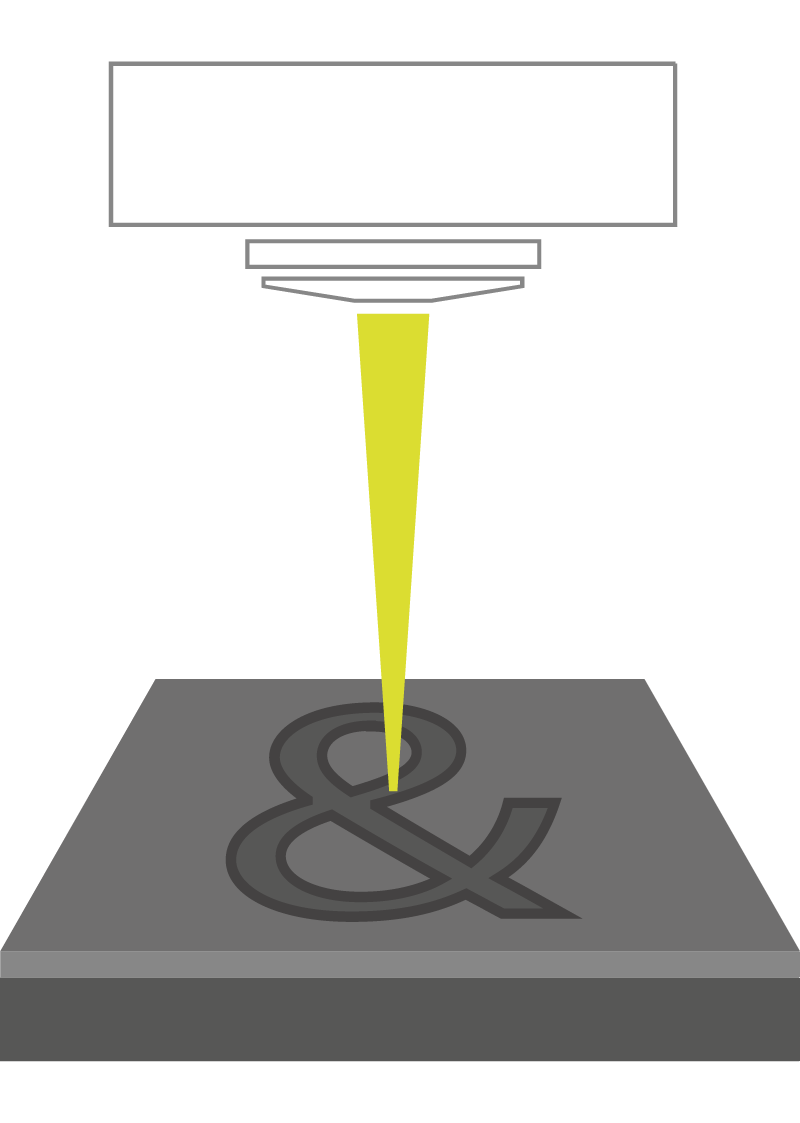
- Laser Engraving of Titanium: Titanium is well-suited for laser engraving, producing durable, high-contrast markings. This is particularly important for components that must withstand high stresses while remaining identifiable.
2. Laser Cutting of Aluminium:
- Reflectivity: Aluminium is a highly reflective material, which requires special precautions when laser cutting it. The laser power, feed rate, and focal length should be optimized according to the material thickness. In addition, fiber lasers or pulsed lasers are used to reduce reflection and ensure consistent cut quality.
- Cutting speed and energy consumption: Aluminium can be cut faster and with less energy than titanium. This is advantageous for the large-scale manufacture of components and enables more efficient production.
- Laser engraving of aluminium: Compared to titanium, aluminium is also easy to engrave. However, due to its reflective surface, a higher power setting is often required to achieve similar depth and contrast.
3. Laser Polishing of Aluminium:
- Surface Finish: Laser polishing of aluminium is a popular technique for achieving smooth, glossy surfaces. Aluminium responds well to the laser’s energy, which enables the creation of high-quality surfaces—important for applications where appearance and corrosion resistance are key.
- Advantages in finishing: This method reduces the need for mechanical post-processing, saves time, and simultaneously improves the surface texture. Laser polishing of aluminium is used particularly in the automotive industry to create surfaces that are both aesthetically pleasing and functional.
-
How precisely can aluminium be machined with a laser?
In general, conventional laser cutting processes for aluminium allow for component accuracy within a tolerance range of ± 0.1 millimeters—depending on the size and material thickness, even much tighter tolerances can be achieved. Laser fine cutting of light metals offers the highest precision for machining thin materials, even with aluminium.
-
How much does laser processing of light metals cost?
The exact costs depend on various factors, such as the materials selected and the desired processing method. We can process materials you provide, but we also offer our own material service as an alternative.
Once you’ve selected the appropriate materials, we’ll assist you with a wide range of processes, such as laser processing of light metal foils or laser marking of various surfaces.
More information about our materials and processing options
With our materials service and our extensive expertise in laser processing, you can effectively leverage the benefits of light metals and their properties. We’ll help you choose the right materials and processes.
Specific data sheets for individual materials are available upon request. The list of materials is merely a current selection and is not intended to be exhaustive. Do you have specific requests? Contact us now, and we’ll provide you with comprehensive, personalized advice on all aspects of our available materials and services.