Laser processing of technical ceramics – A key material in modern high technology

Today, technical ceramics are among the most important materials for demanding industrial applications. Compared to metals or plastics, they offer exceptional properties such as high hardness, wear resistance, temperature resistance, and electrical insulation. As a result, high-performance ceramics are used wherever traditional materials reach their limits—for example, in power electronics, sensor technology, medical technology, aerospace, and mechanical and plant engineering. Modern laser technology offers decisive advantages for the precise laser processing of these demanding materials.

What are technical ceramics?

Technical ceramics—also known as high-performance ceramics or engineering ceramics—encompass ceramic materials that have been specifically developed for technical applications. In contrast to traditional consumer or architectural ceramics, the focus here is on defined physical, thermal, electrical, and mechanical properties.

Due to their high material performance, technical ceramics are particularly well-suited for components that must continuously withstand extreme temperatures, chemical media, wear, or high electrical demands.
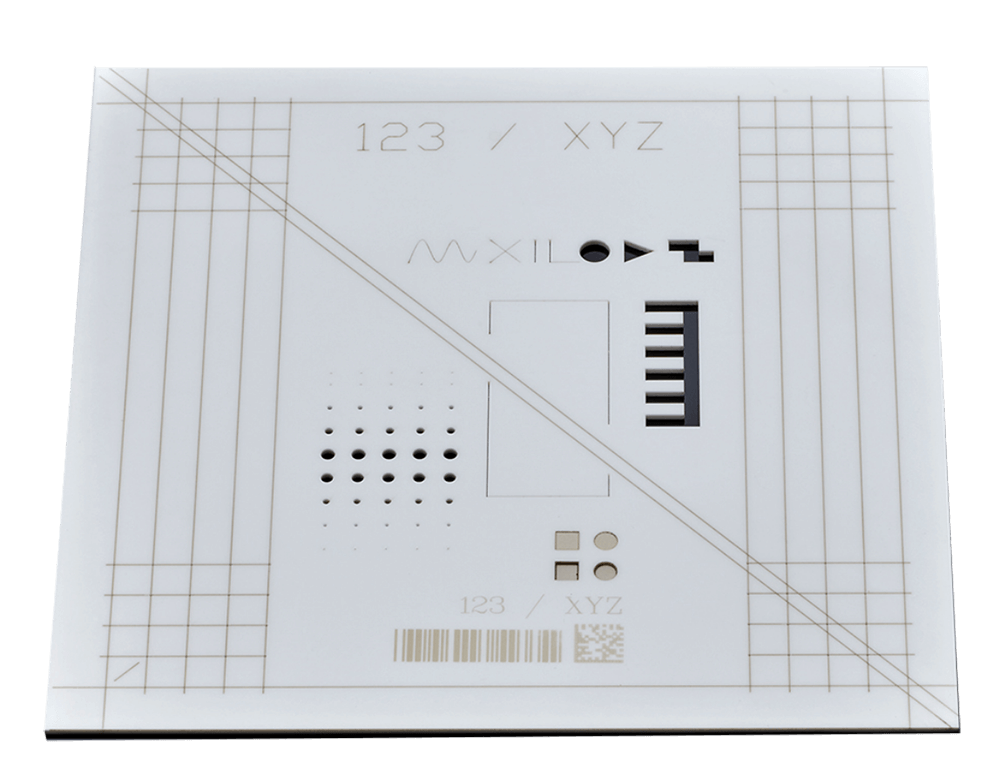
  • Material groups of technical ceramics

    Engineering ceramics are divided into various material groups:

    Oxide Ceramics

    • Aluminum oxide (Al2O3)
    • Zirconia (ZrO2)

    Non-oxide Ceramics

    • Carbides such as silicon carbide (SiC) or boron carbide (B4C)
    • Nitrides such as aluminum nitride (AlN), silicon nitride (Si3N4), or boron nitride (BN)

    In addition, silicate ceramics are also classified as engineering ceramic materials; however, they are not relevant to our business.

  • Thick-Film and Thin-Film Ceramics

    Depending on the application and material thickness, ceramic substrates with different surface and layer properties are used.

    • Thick-film ceramics have a comparatively rough surface and are primarily used in thick-film printing for the manufacture of electronic circuits.
    • Thin-film ceramics have a particularly fine surface finish. They are ideal for vapor-deposited or sputtered functional layers and are used wherever the highest precision and fine conductor structures are required.

Properties and advantages of technical ceramics

Mechanical Properties

  • high hardness
  • high wear resistance
  • compressive strength
  • low material fatigue

Thermal Characteristics

  • high temperature resistance
  • low thermal expansion
  • high thermal conductivity (e.g., aluminum nitride)

Electrical and Chemical Properties

  • excellent electrical insulation
  • high corrosion resistance
  • chemical resistance
  • high long-term stability

A selection of our high-performance ceramics

We process a wide range of technical ceramic materials for a variety of applications.

  • Alumina (Al2O3)
    Article Examples

    A476T
    AD96R
    Keral96
    Rubalit 708S
    Rubalit HP
    A493
    ADS998
    Keral99
    Keralpor99
    PlasmaPure
    Rubalit 710
    Saphir

    Material Properties
    • a versatile, standard material with high hardness and excellent insulating properties
    • medium thermal conductivities (20 to 30 W/mK)
    • very good electrical insulation (1 x 10¹⁴ to 1 x 10¹⁵ Ωcm).
    • flexural strength (800 MPa), high compressive strength (2 to 4 GPa)
    • resistant to thermal shock
    • chemically resistant
    • bioinert and compatible with foodstuffs
    • max. application temperature between 1000 to 1500 °C (without mechanical load)
    • surface as-fired: Ra 0.2–0.8 μm suitable for thick-film coating (DS)
    • surface as-fired: Ra < 0.1 μm suitable for thin films (DF)
    • available as dense and porous material
    Manufacturer Selection
    • CeramTec
    • CoorsTek
    • Kerafol
    • Kyocera
    • Maruwa
    Dimensions (Selection)

    Dimensions: 115 x 115 / 165 x 115 / 190 x 138 mm
    Thickness: 0.12–3.0 mm (+/-10 %)
    Deflection from thickness 0.5 mm 0.2–0.3 % of the longest side

    Downloads
    • pdf
      Design Guideline Ceramics
      465 KB
    • pdf
      Ceramics Machining
      72 KB
    Request for quote
  • Aluminum nitride (AlN)
    Article Examples

    AlUNIT
    AlN 170
    AlN 180
    AlN 200
    AlN 230

    Material Properties
    • very high thermal conductivity (170–230 W/mK)
    • good electrical insulation (1 x 10⁵ to 1 x 10⁹ Ωcm).
    • flexural strength (300 to 400 MPa), compressive strength > 2 GPa
    • very good thermal shock resistance
    • chem. resistance: not resistant to caustic soda; inert to melting of III-V compounds; less suitable for applications at temperatures above 1,000°C in water- or oxygen-containing
    • oxygen environment or under mechanical stress with simultaneous wetting by water.
    • manufacturing process: hot-pressed, dry-pressed, film-cast
    Manufacturer Selection
    • CeramTec
    • CoorsTek
    • QSIL
    • Maruwa
    Dimensions (Selection)

    Dimensions: 114 x 114 / 150 x 140 / 138 x 190 mm
    Thickness: 0.25–5.0 mm 

    Downloads
    • pdf
      Design Guideline Ceramics
      465 KB
    • pdf
      Ceramics Machining
      72 KB
    Request for quote
  • Zirconia (ZrO2)
    Article Expamples

    3YSZ
    Dura-Z
    Keralpor99 Z
    Keraprotec
    PSZ
    Rubalit HSS
    YTZP
    ZTA

    Material Properties
    • high fracture toughness and wear resistance
    • low thermal conductivity (1.5 to 3 W/mK)
    • good electrical insulation, oxygen ion conductive
    • high flexural strength (> 1 GPa) and fracture resistance
    • very high compressive strength (> 4.7 GPa)
    • very good tribological properties
    • chemically resistant
    • fatigue resistant due to phase transformation hardening
    • bioinert and compatible with foodstuffs
    • max. operating temperature between 600 and 1100 °C
    • also available as porous sintered base with good flatness and purity
    Manufacturer Selection
    • CeramTec
    • CoorsTek
    • Kerafol, Maruwa
    Dimension (Selection)

    Dimensions: 50 x 50 / 100 x 100 / 150 x 150 mm
    Thickness: 0.15–0.5 mm (+/-10 %)

    Downloads
    • pdf
      Ceramics Machining
      72 KB
    Request for quote
  • Silicon carbide (SiC)
    Article Examples

    SiC
    RSiC
    SiSiC
    Ultra-SiC
    UltraClean
    Pure-SiC

    Material Properties
    • very high thermal conductivity (120 to 200 W/mK)
    • very high hardness
    • corrosion and wear resistant
    • good tribological properties
    • resistant to thermal shock, chemical-resistant
    • max. operating temperature between 1350 and 1600 °C
    • Manufacturing process: directly sintered, recrystallised, CVD ( high purity)
    Manufacturer Selection
    • CoorsTek
    • QSIL
    • Kyocera Fineceramics
    • SiCeram
    • CeramTec
    • Fraunhofer IKTS
    Dimensions (Selection)

    Dimensions: 150 x 150 / 115 x 115 mm
    Thickness: 2.0–6.0 mm

    Downloads
    • pdf
      Ceramics Machining
      72 KB
    Request for quote
  • Silicon nitride (Si3N4)
    Article Examples

    Si3N4

    Material Properties
    • medium thermal conductivity
    • high compressive strength (3 GPa)
    • good fracture and crack toughness (7 MPa√m)
    • good tribological properties
    • resistant to thermal changes, thermal shock and high temperatures
    • chemically resistant
    Manufacturer Selection
    • CeramTec
    • Kyocera Fineceramics
    • Kyocera
    • SiCeram
    • QSIL
    • CoorsTek
    • Fraunhofer IKTS
    Dimensions (Selection)

    Dimensions: Ø 650 mm bis 700 x 450 mm
    Thickness: 1.0–5.0 mm

    Downloads
    • pdf
      Ceramics Machining
      72 KB
    Request for quote
  • Boron carbide (B4C)
    Article Examples

    B4C

    Material Properties
    • one of the toughest engineering materials
    • good thermal conductivity (31 to 90 W/mK)
    • very high hardness
    • very high compressive strength
    • suitable for thermoelectric applications
    • high temperature resistance (even at > 2000 °C)
    • chemically resistant
    • low density (approx. 2.52 g/cm³)
    Manufacturer Selection
    • upon request
    Dimensions (Selection)

    Dimensions: upon request
    Thickness: upon request

    Downloads
    • pdf
      Ceramics Machining
      72 KB
    Request for quote
  • Boron nitride (BN)
    Article Examples

    BN

    Material Properties
    • high thermal conductivity
    • extremely high hardness
    • corrosion-resistant
    • resistant to thermal cycling
    • high-temperature resistance (1000–3000 °C, depending on the modification)
    • excellent electrical insulation at high temperatures
    • chemically resistant
    • low density (approx. 2.25–3.45 g/cm³ depending on structure)
    Manufacturer Selection
    • upon request
    Dimensions (Selection)

    Dimensions: upon request
    Thickness: upon request

    Downloads
    • pdf
      Ceramics Machining
      72 KB
    Request for quote

Applications of technical ceramics

Due to their exceptional material properties, technical ceramics are used in virtually all high-tech industries.

Electronics and Power Electronics

  • ceramic substrates
  • circuit carriers
  • heat sinks
  • power modules
  • high-voltage applications

Machinery/Plant Engineering

  • bearings
  • sliding rings
  • wear parts
  • cutting materials
  • precision components

Medical Technology

  • surgical implants
  • diagnostic systems
  • medical device components

Energy, Environmental Technology, and Aerospace

  • components for PV systems
  • wind power
  • fuel cell technology
  • high-temperature applications
  • aerospace components

Sensors and Microelectronics

  • sensor housings
  • piezoceramic components
  • MEMS components
  • LTCC components

Precision Laser Processing of Technical Ceramics

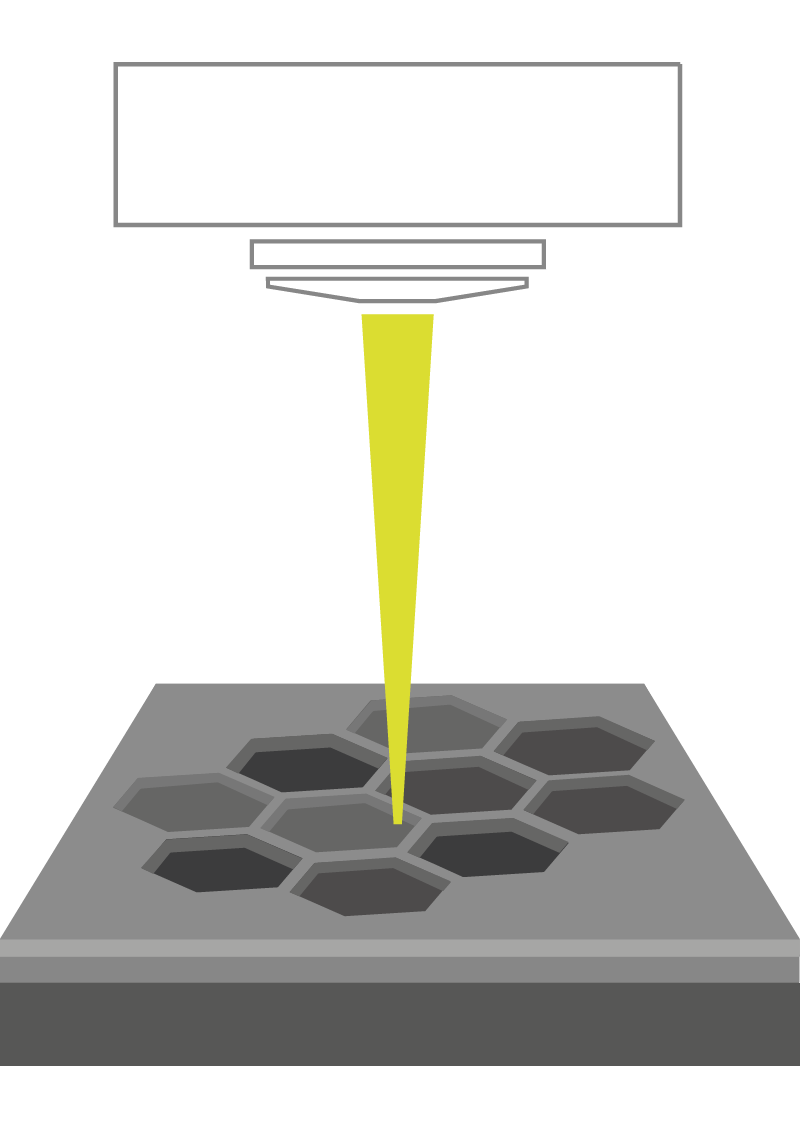
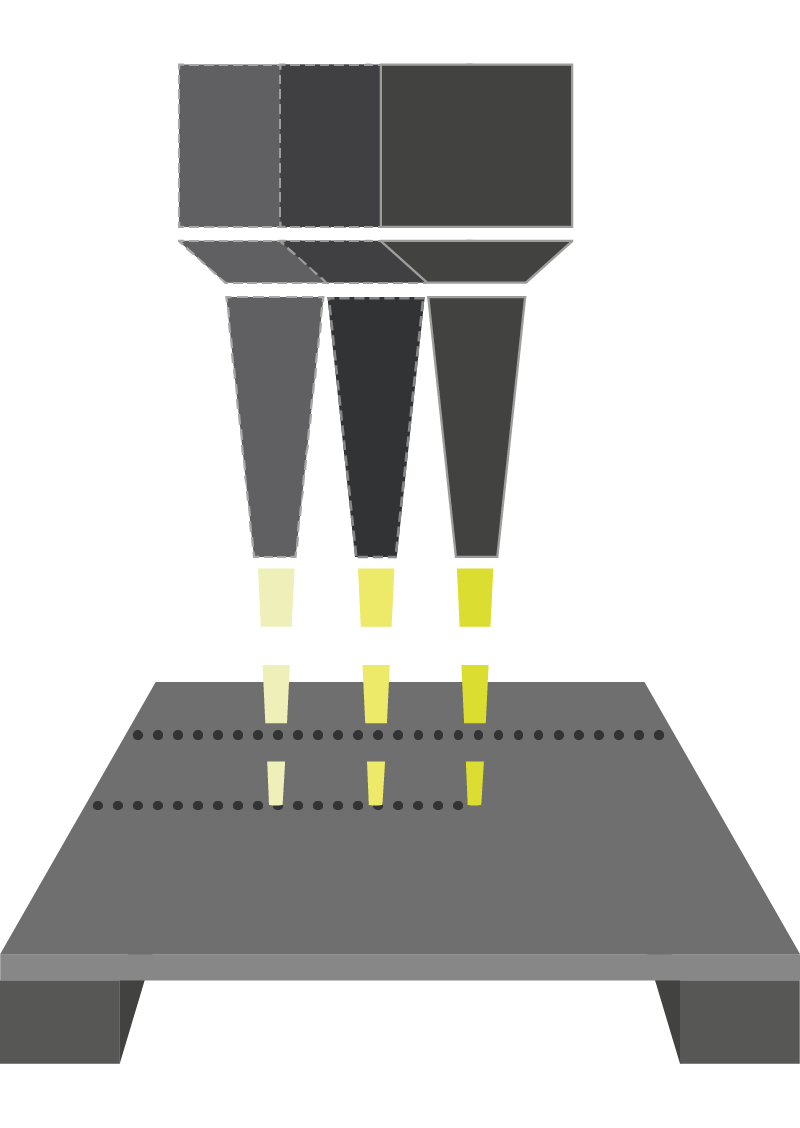
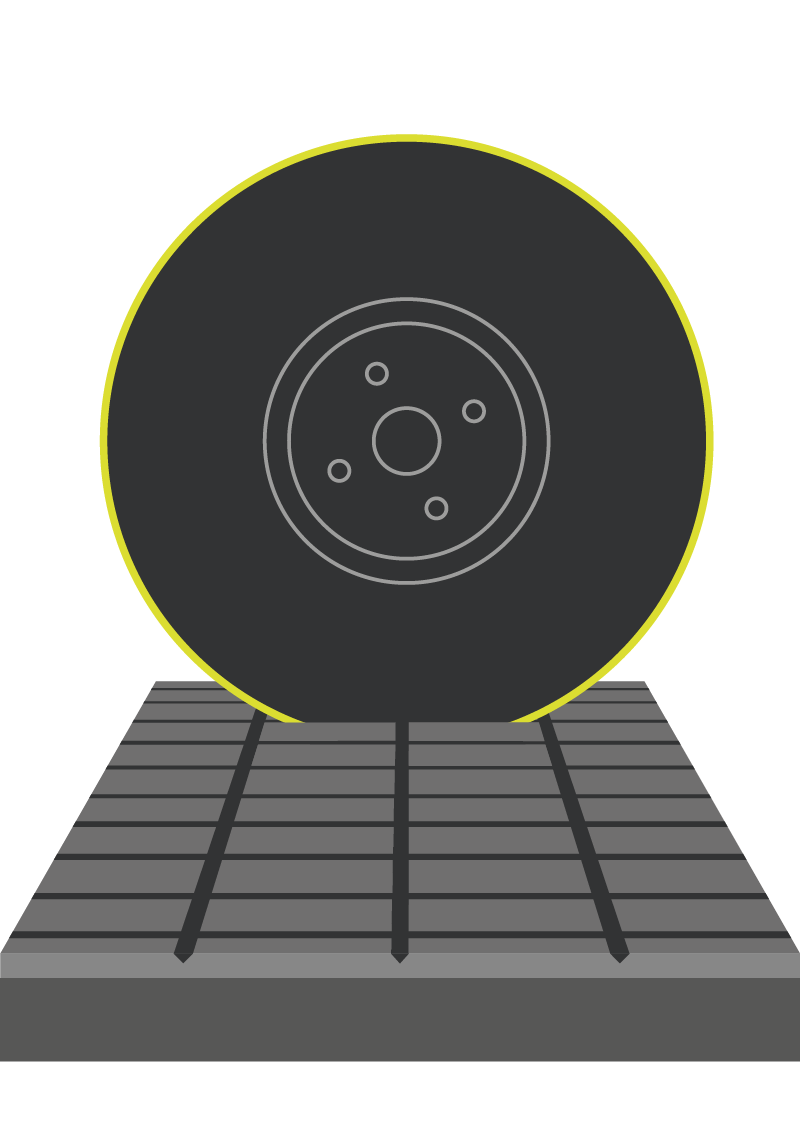
Laser processing of technical ceramics poses special challenges for the manufacturing process due to their high hardness and brittleness. Non-contact laser processes, such as laser cutting, laser drilling, and laser scribing, enable high-precision micro-machining of complex contours, fine holes, and delicate structures—without subjecting the material to mechanical stress. This allows even sophisticated ceramic components to be manufactured reproducibly and cost-effectively.

Laser processes for ceramic processing

Advantages of laser processing of glass

  • non-contact processing without mechanical stress
  • minimal heat-affected zones
  • highest precision for complex contours
  • high edge quality and process reliability
  • suitable for brittle high-performance ceramics
  • cost-effective processing from prototypes to series production
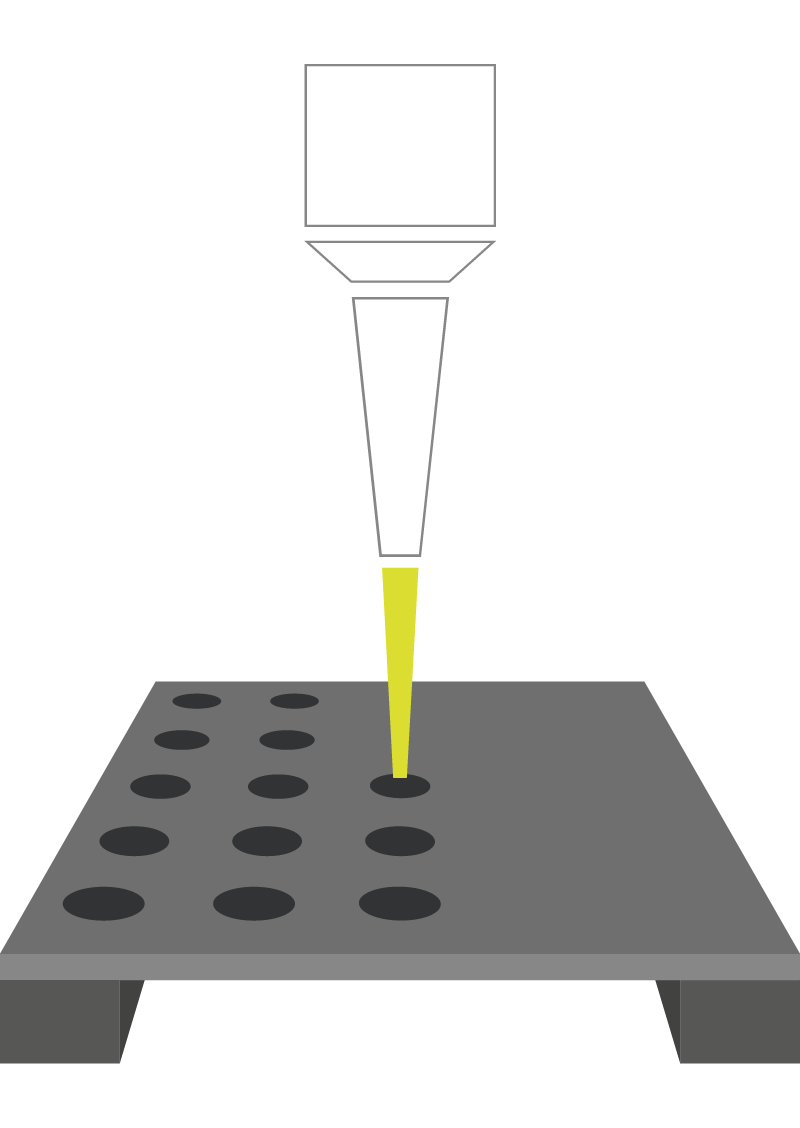
Whether it’s a single part, a prototype, or a production component: We manufacture sophisticated components made of high-performance ceramics with precision and consistency. Depending on the application, we combine state-of-the-art laser processes with complementary machining steps and offer our customers a comprehensive, one-stop solution.
More information about our ceramic materials

Material data sheets are available upon request for many of the high-performance ceramics we process. The materials listed represent a selection from our current material portfolio and are not intended to be exhaustive. We would be happy to advise you personally on selecting the appropriate materials, services, and technologies for your application.

Your contact

Attachment