Glass laser cutting for demanding applications in industry and high-tech

Glass is one of the most versatile materials in modern industry. In addition to its high transparency, it offers impressive chemical resistance, electrical insulation properties, and high thermal shock resistance. Today, technical glass is used in numerous high-tech applications—from optics and photonics to microelectronics and medical technology. For the production of complex components and ultra-fine structures, precise laser processing offers the highest accuracy while minimizing material stress.

What is glass?

Glass is an amorphous, non-crystalline material that can be shaped at elevated temperatures. It is characterized by its high transparency, good chemical resistance, and low electrical conductivity. At the same time, glass possesses high hardness and excellent thermal shock resistance. 

Technical glasses are specialized types of glass that have been developed for specific industrial and technical applications due to their unique properties and compositions. However, because of its brittle structure, precise glass processing places special demands on the manufacturing process.

Glass is used, among other things, in:

  • optical components
  • microelectronics
  • sensor technology
  • medical technology
  • display and photonics systems

Properties of Glass

Optical and physical features

  • high transparency
  • low electrical conductivity
  • high thermal shock resistance
  • good chemical resistance

Mechanical Properties

  • high hardness
  • brittle material behavior
  • dimensionally stable
  • odorless and chemically stable

Industrial Significance

  • material for high-precision optical applications
  • ideal for microstructuring and surface coating
  • indispensable in electronics, photonics, and medical technology

A selection of our technical glass materials

Depending on the application, our laser machines process various types of technical glass with specific optical, thermal, and chemical properties. These include, among others:

  • Glass ceramic / Glass
    Article Examples

    LTCC
    Borofloatglas
    Quarzglas
    Glaslotfolien
    D263Teco®
    AF32eco®
    Borosilikatglas
    Perlucor®

    Material Properties

    LTCC (Low-Temperature-Cofired-Ceramic):

    • unsintered (mixture of glass, ceramic and organic solvent), flexible
    • sintering already at 900 °C, good for co-firing with metallic components
    • suitable for HF-application
    • thermal conductivity (typ. 2 to 3 W/mK)
    • max. application temperature only a few 100 °C

    Glass:

    • thermal conductivity (0.6 to 1.4 W/mK)
    • electr. insulation (1010 to 1014 Ωm)
    • max. operating temp. depends on glass system (100 °C to over 1000 °C)
    • thermal shock resistance depends on glass system
    • provided with filter/protective layers on one/ both sides
    Manufacturer Selection
    • AGC Asahi Glass
    • CeramTec
    • Corning
    • DuPont
    • Kerafol
    • Plan Optik
    • Saint Gobain
    • Schott AG
    Dimensions (Selection)

    Dimensions LTCC: up to 152.4 x 152 mm
    Thickness LTCC: 127–254 µm (unsintered)

    Dimensions Glass: Ø 50.8 / 100 mm to 1150 x 850 mm
    Thickness Glass: 250 / 430 / 550 / 650 µm

    Downloads
    • pdf
      Ceramics Machining
      72 KB
    • pdf
      Glass Machining
      68 KB

Applications of technical glass

Technical glass is used in numerous industries. Below is a brief overview of selected applications:

Electronics and Sensors

  • glass wafers
  • displays 
  • sensor substrates 
  • electronic assemblies 

Medical Technology

  • diagnostic systems
  • microfluidics
  • lab-on-a-chip applications

Optics and Photonics

  • optical components
  • lenses
  • micro-optics
  • photonics systems

Industry

  • technical glass
  • specialty glass
  • functional glass components

Precision Laser Processing of Technical Glass

Precision laser processing of glass places the highest demands on the manufacturing process due to the material’s hardness and brittleness. Non-contact glass laser processing enables high-precision micro-machining with minimal thermal stress and outstanding machining quality—even for complex contours and delicate structures.
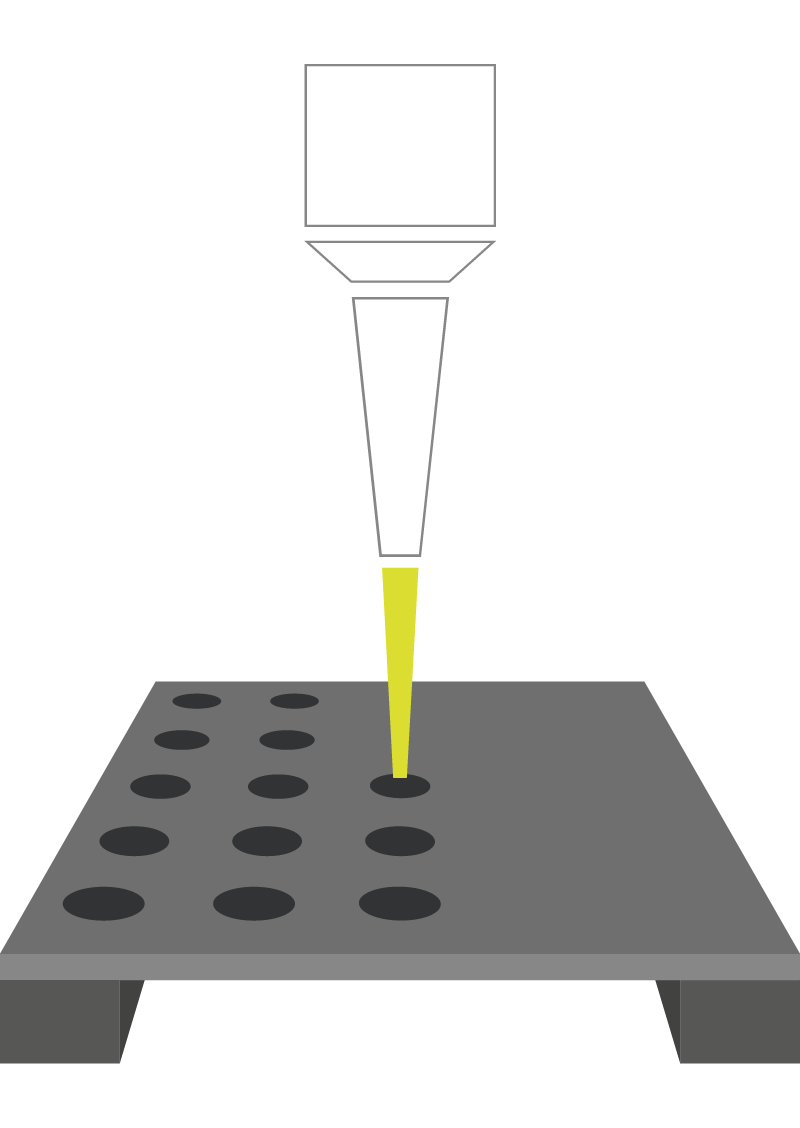
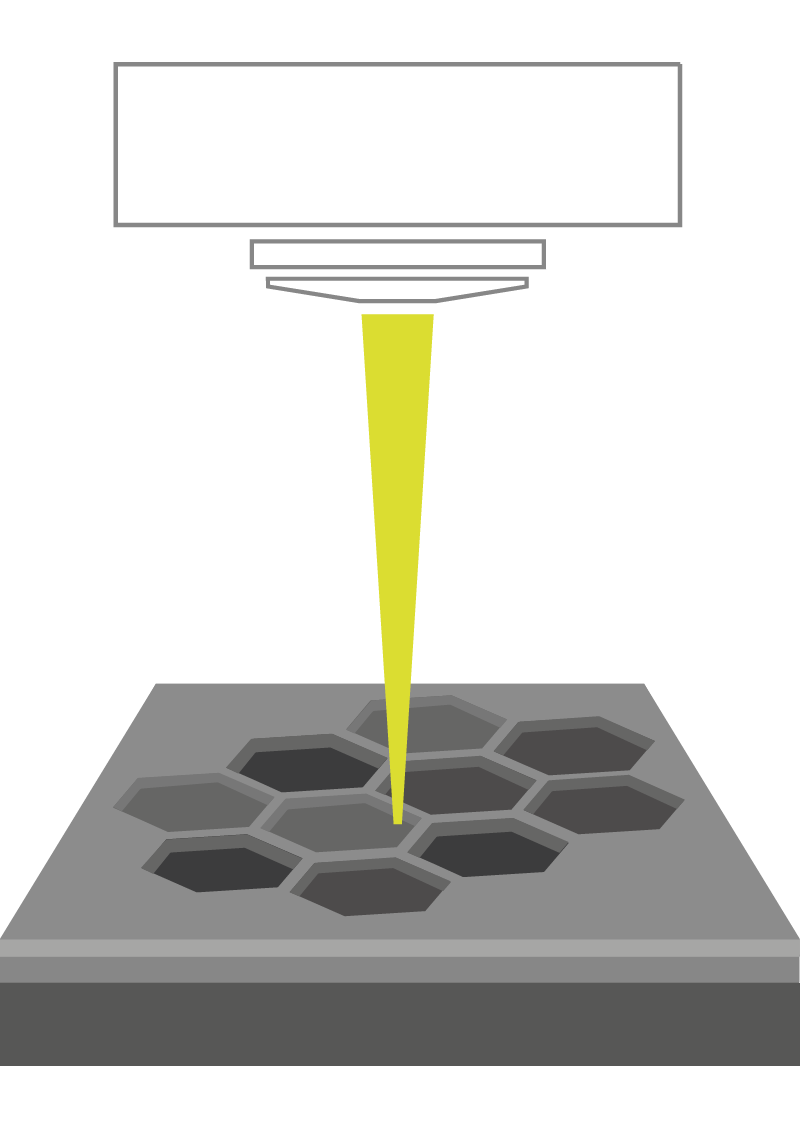
Laser processes for glass processing

Advantages of laser processing of glass

  • non-contact processing without mechanical stress
  • minimal heat-affected zones
  • high edge quality and process reliability
  • ideal for brittle and delicate glasses

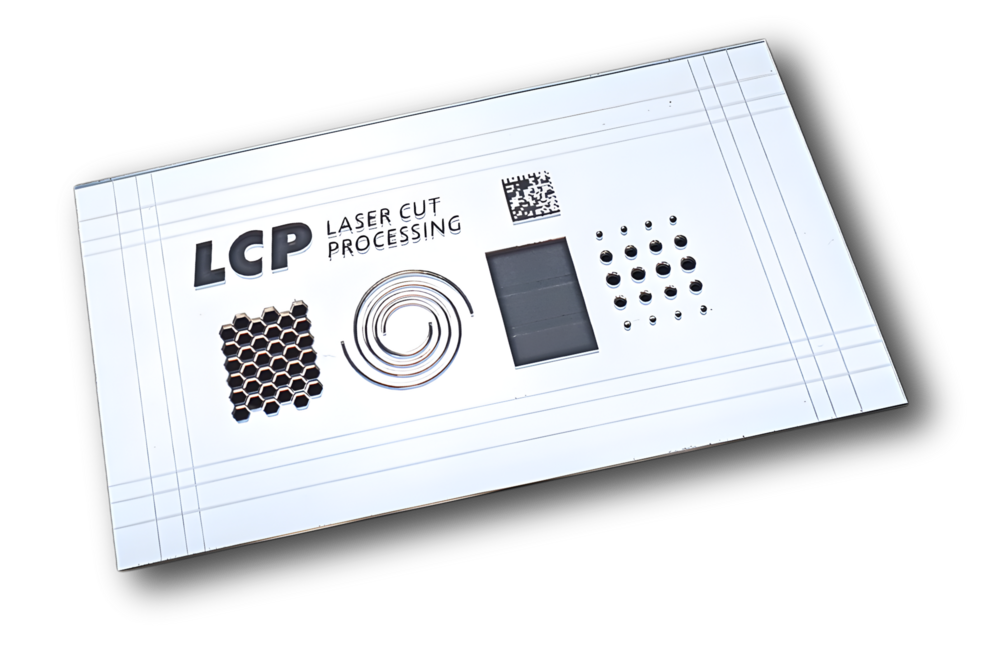
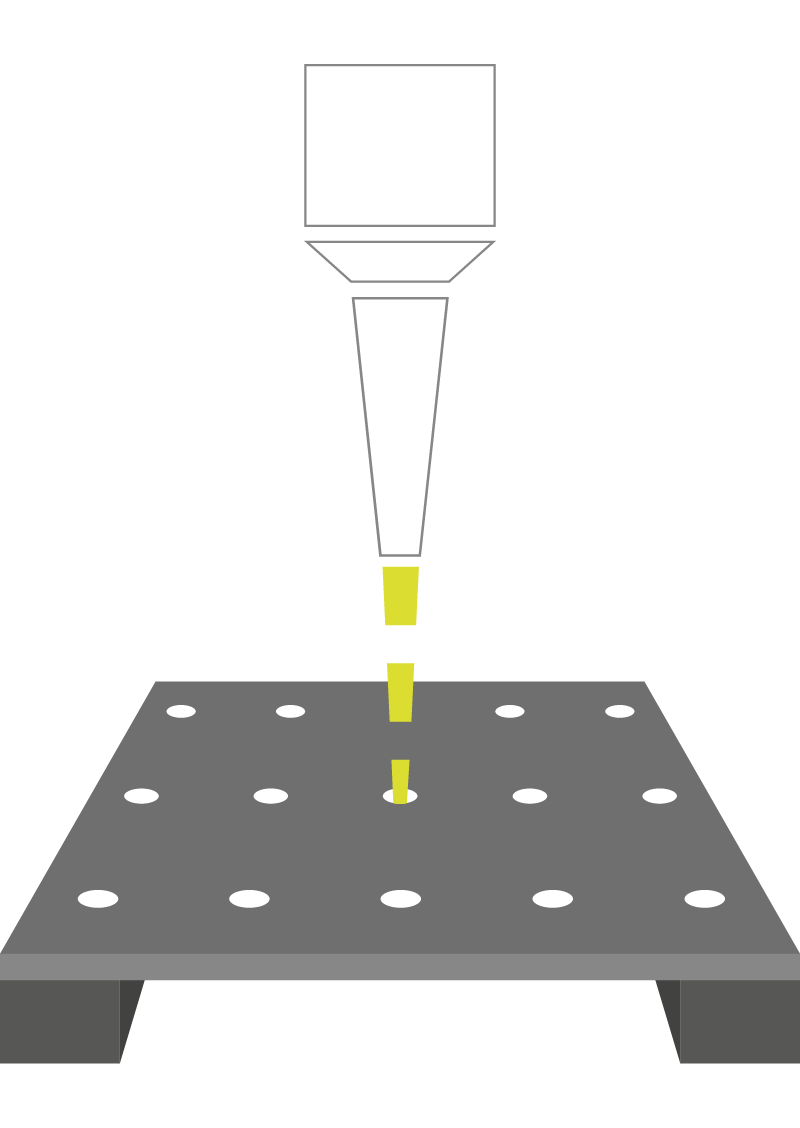
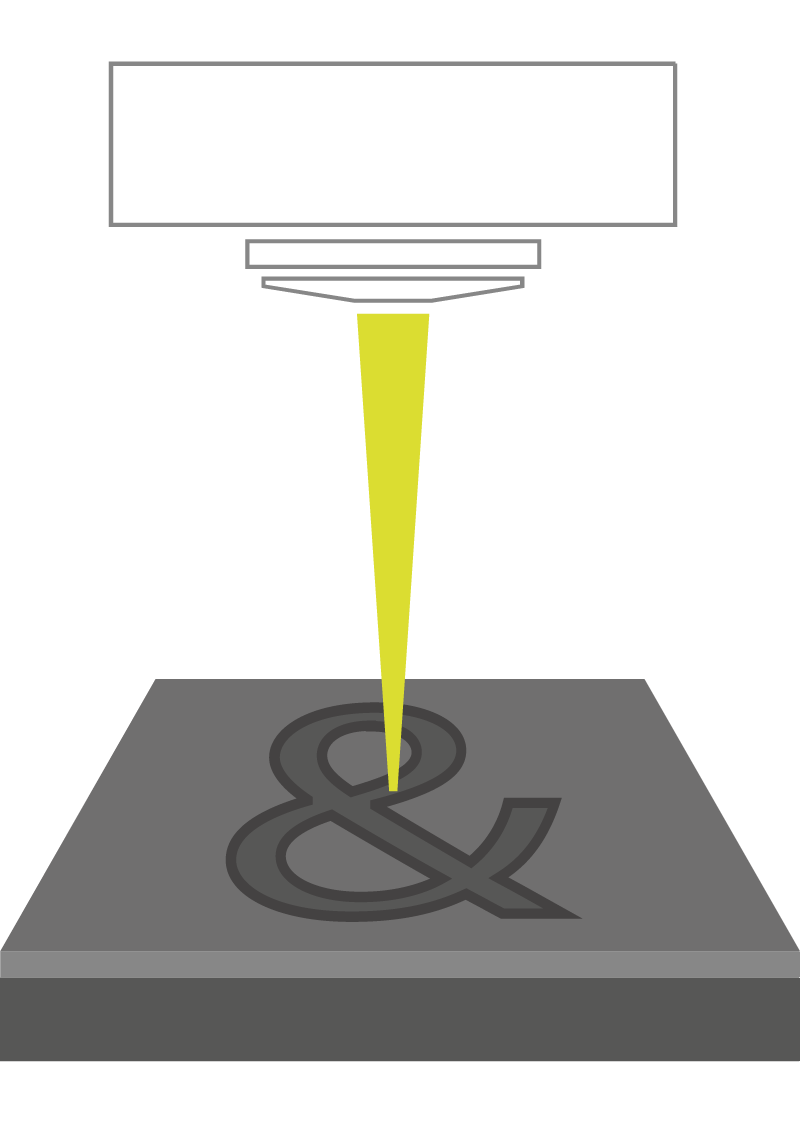
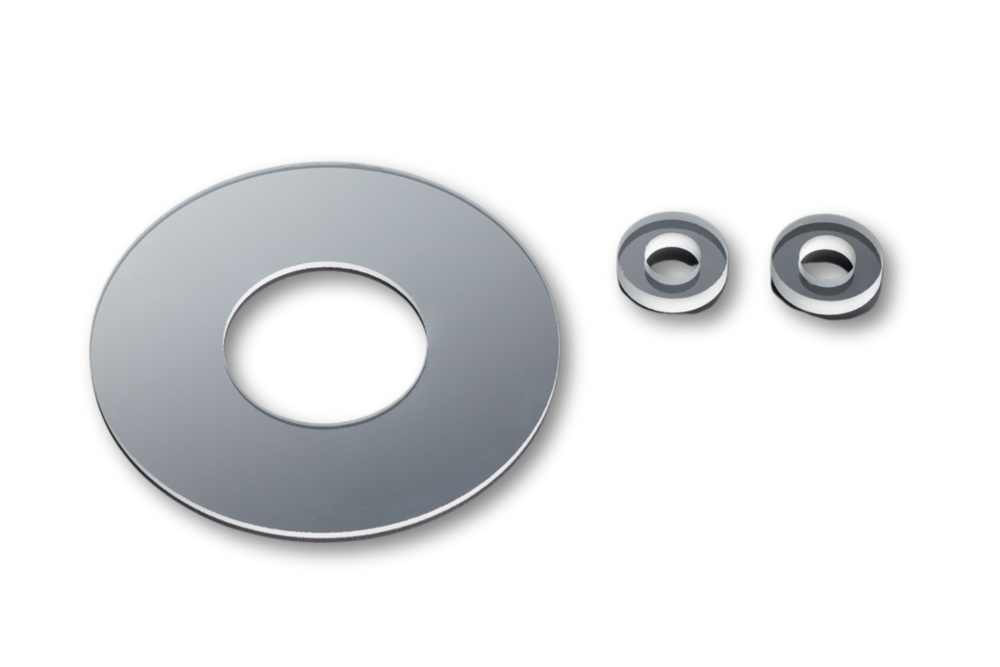
Our laser machines enable high-precision micro-machining of technical glass—from intricate contours and microstructures to the precise cutting of glass wafers. Whether it’s laser cutting, laser structuring, laser drilling, laser marking, laser scribing or wafer dicing: contactless machining ensures reproducible results and the highest quality, even with complex geometries.

More info about our materials

The specific data sheets of the individual materials are available on request. The material listing is only a current selection without any claim to completeness. Do you have special requirements? We will be happy to advise you personally on your questions regarding our available materials, services, and technologies.

Your contact

Attachment