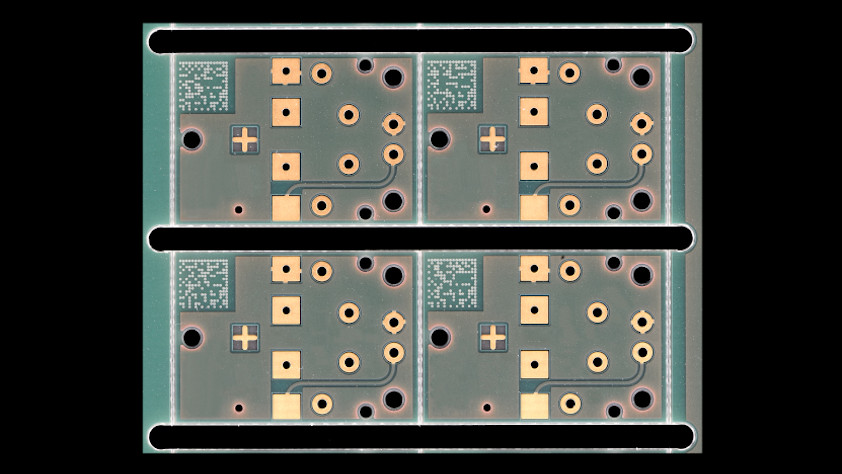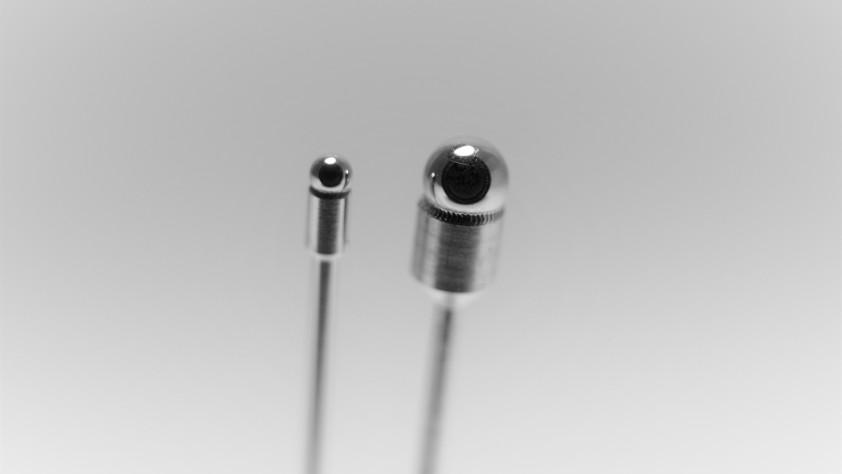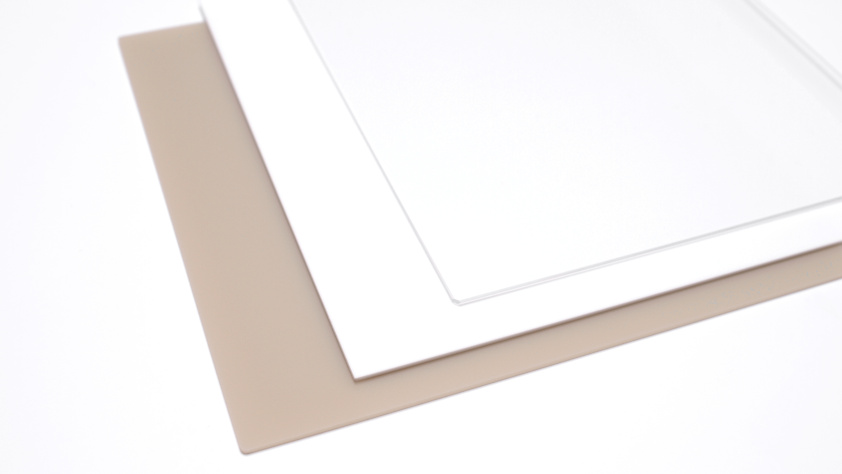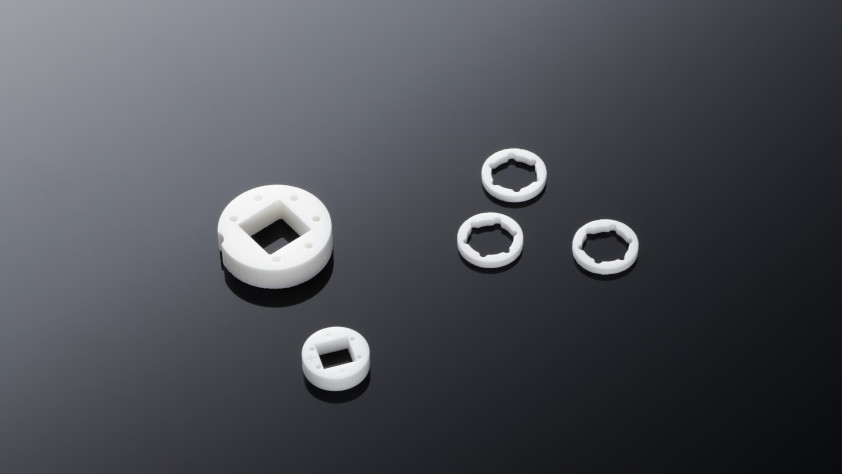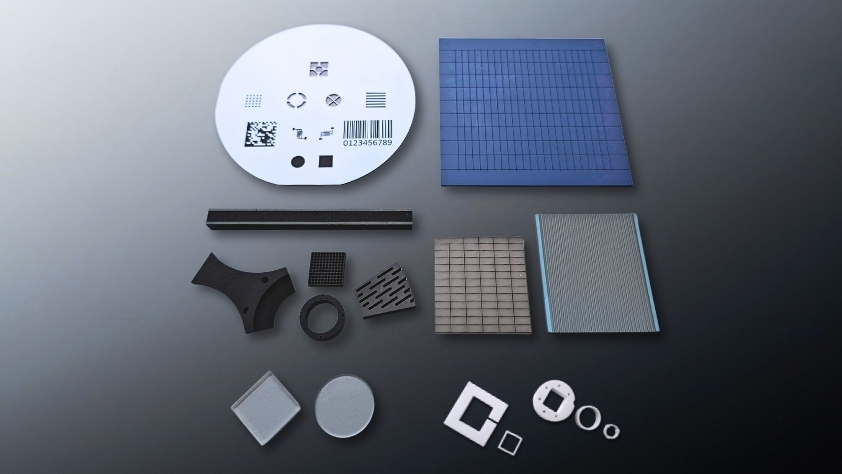
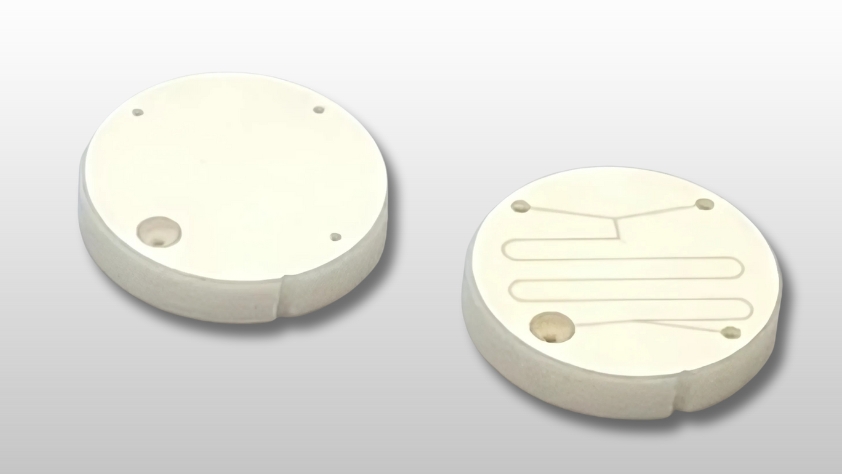
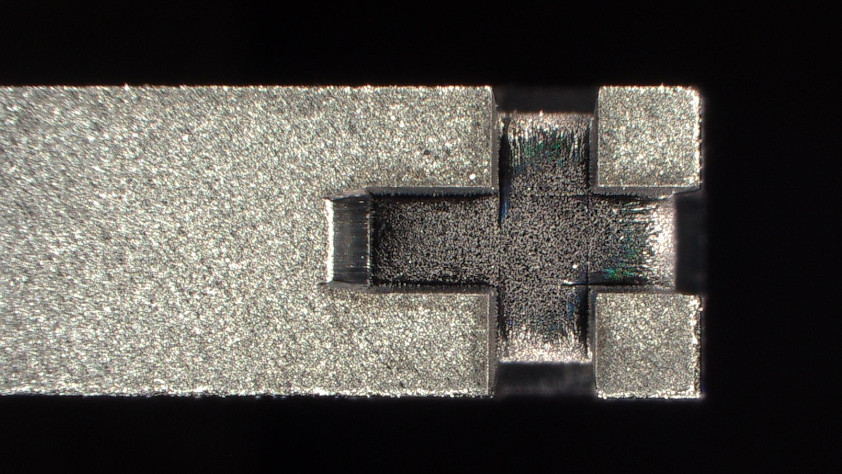
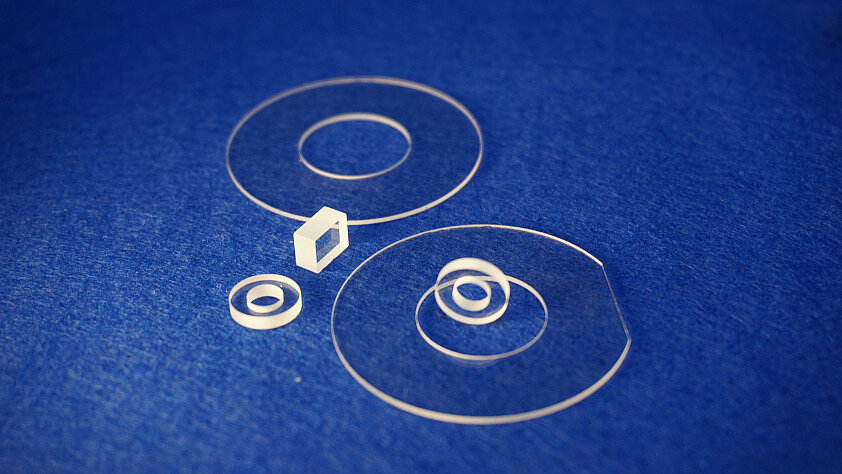
Engineering ceramics are used wherever conventional materials reach their limits. Low weight, extreme hardness, high temperature and corrosion resistance, as well as special electrical or optical properties, make these materials attractive for demanding applications where materials must function reliably under extreme conditions. At the same time, these properties place high demands on the machining of high-performance ceramics. Here, we use innovative laser processes such as CO₂/YAG, ultrashort-pulse or water-jet guided laser machining. These enable high-precision machining of challenging materials such as Al2O3, AlN, ZrO2, SiC, Si3N4, glass-ceramics, glass, Si, B4C, and BN.
Application areas
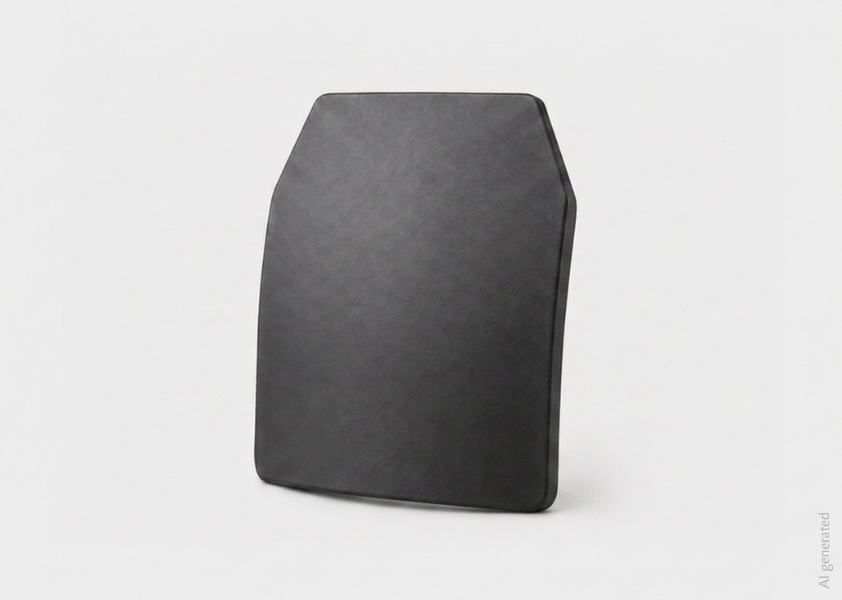
In defense technology in particular, materials must function reliably under extreme conditions. Due to its high hardness and low density, boron carbide is of interest for lightweight ceramic protection systems. It can be used, for example, in ballistic protection components for individuals (in body armor and helmets), vehicles, or other systems such as protective shields. The combination of high protective performance and low weight enables the development of protection solutions that are both high-performance and mobile.
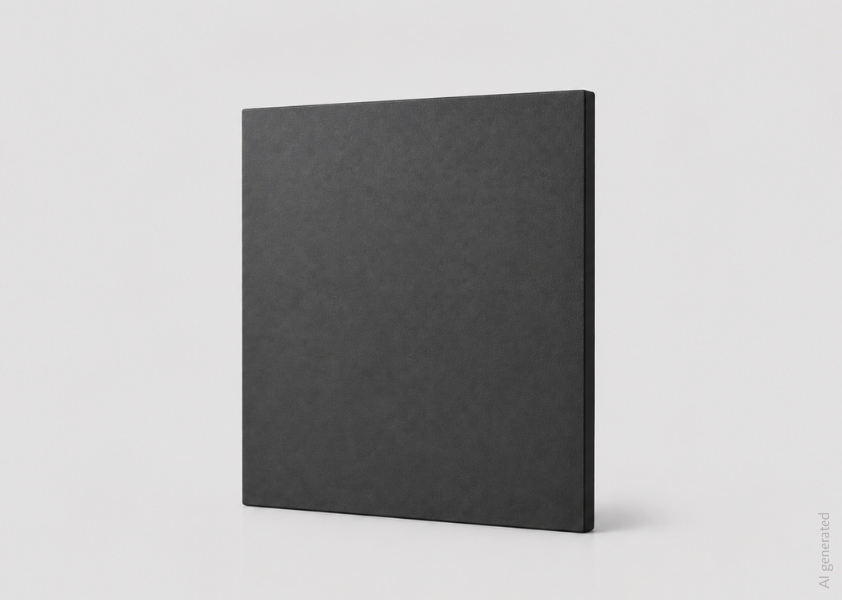
In the aerospace and defense industries, as well as in high-temperature applications, boron nitride stands out for its high temperature resistance, corrosion resistance, and low friction. Here, the material can be used, for example, as a coating, insulator, or component in turbine engines, heat shields, rocket nozzles, or even for radiation shielding. It reliably withstands high thermal and chemical stresses.
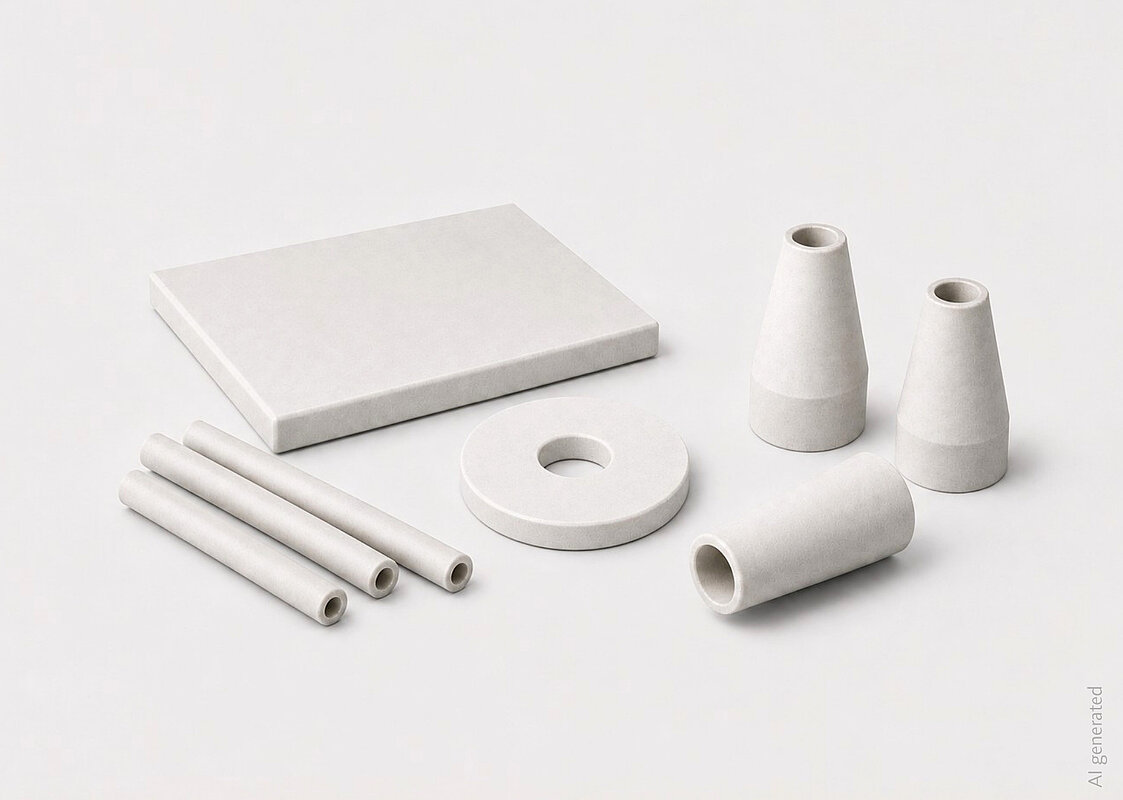
Furthermore, technical ceramics are used in sensory and optoelectronic devices such as reconnaissance systems or protective systems. Transparent ceramics such as yttrium-aluminum garnet (YAG) or spinel are used as optical components in night vision devices, laser protection windows, or infrared cameras. Here, they convince due to their high optical quality, scratch resistance, and resistance to thermal and chemical stresses.
Ceramic materials are also used in radar technology, drive technology, electronics, and high-frequency technology whenever temperature resistance, electrical properties, and mechanical stability are critical.
Challenges in Processing
The unique properties that make technical ceramics attractive for a wide range of applications under extreme conditions also pose a challenge when it comes to machining them. High hardness, brittleness, and demanding thermal properties require precise and controlled manufacturing processes. This is precisely where laser technology offers interesting possibilities.
Laser Technology Tailored to Your Needs
Depending on the application and customer requirements, various laser technologies and processes are available.
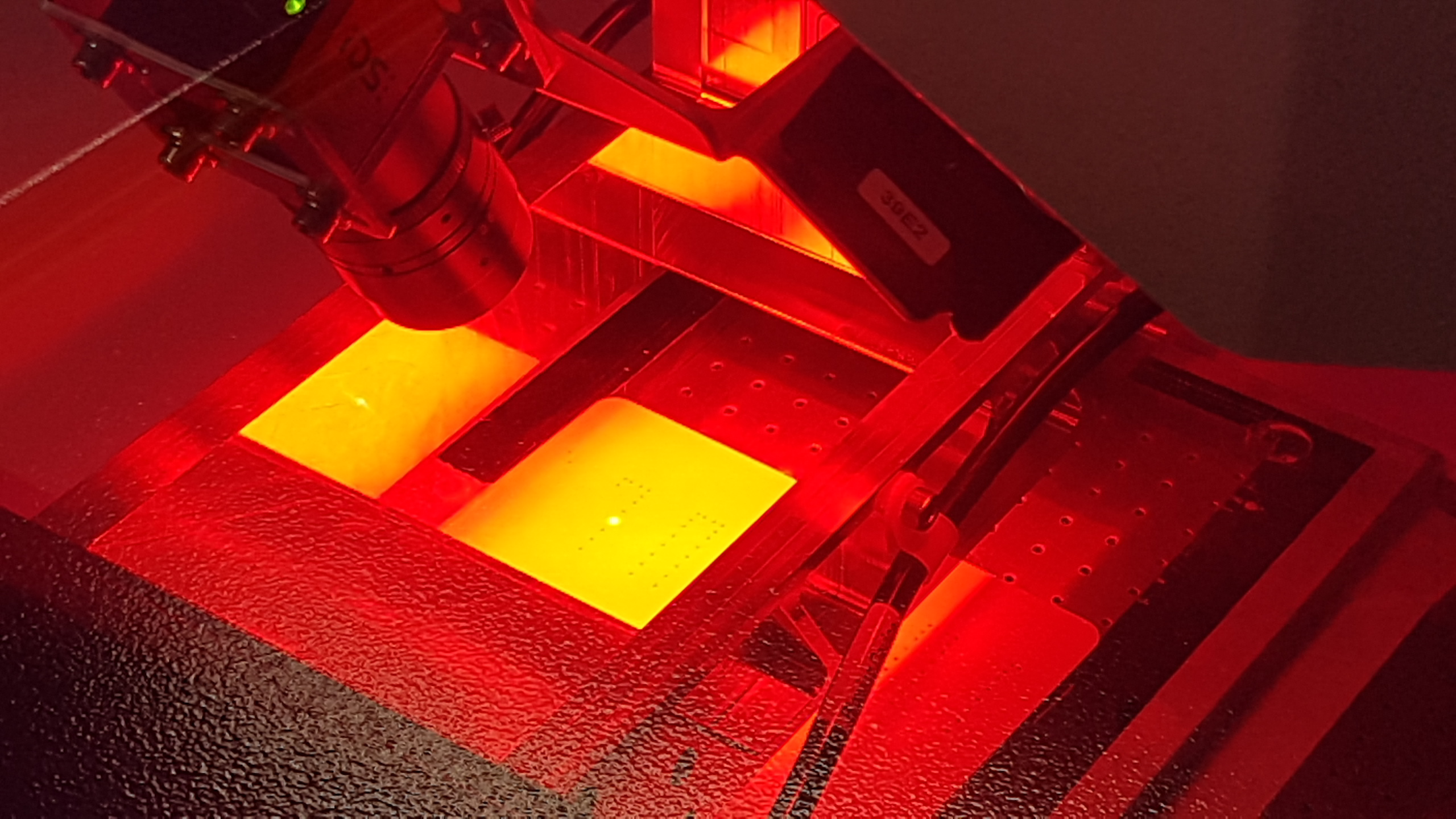
When machining technical ceramics with a CO₂ or YAG laser, the results achieved are consistently high in terms of quality and precision—more than sufficient for a wide range of applications and significantly superior to those obtained using conventional machining methods such as turning, milling, drilling, grinding, or chemical processes.
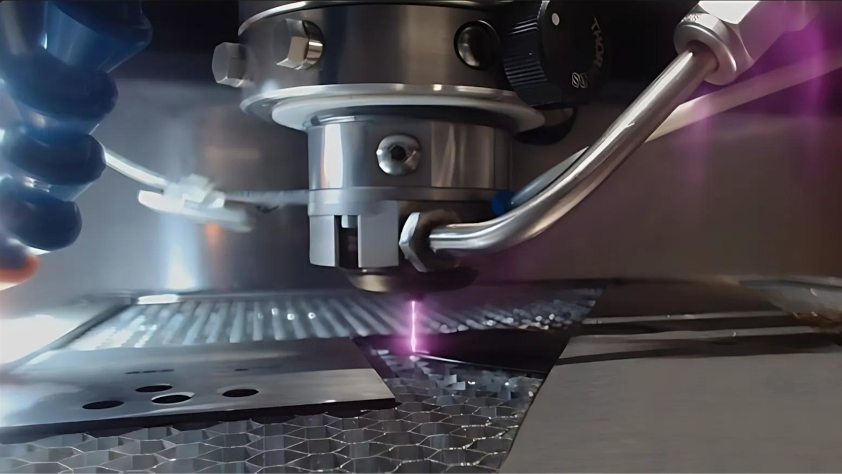
Using ultrashort-pulse (USP) lasers, we process high-performance ceramics with high precision, clean cut edges, and without thermal heat input. This prevents microcracks, deposits, and chipping.
The water-jet guided laser, enables not only high-precision machining of hard, brittle materials with reduced thermal impact on the workpiece but also produces very narrow kerfs and vertical cut edges.
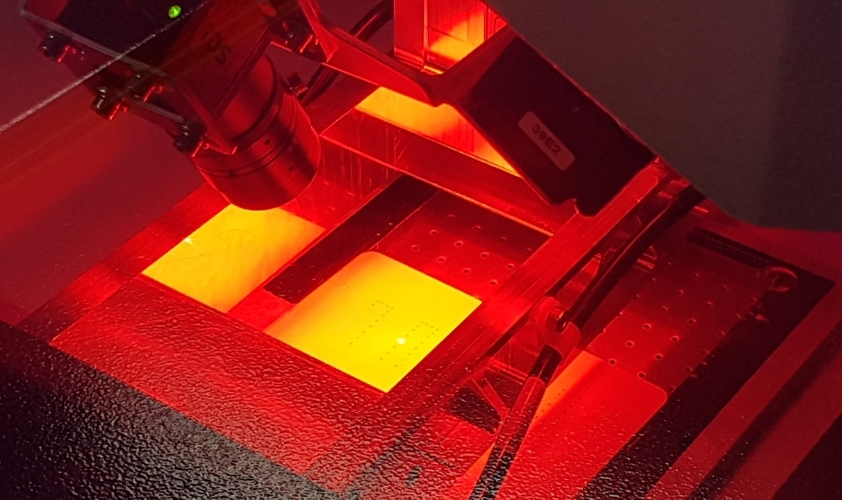
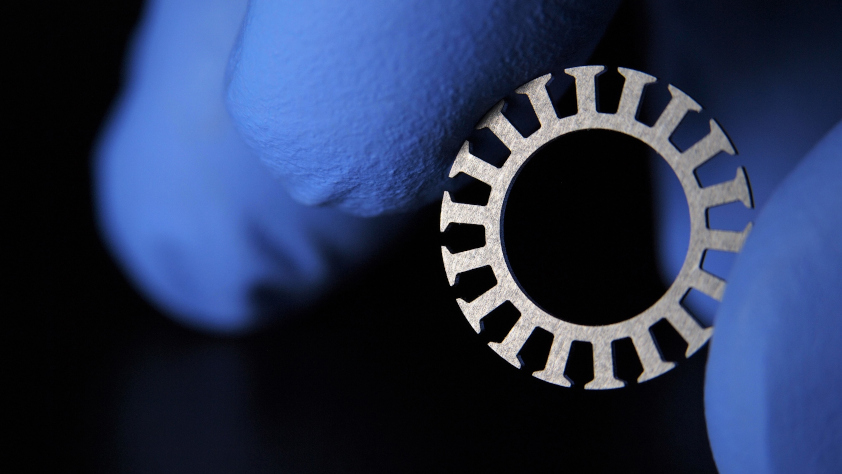
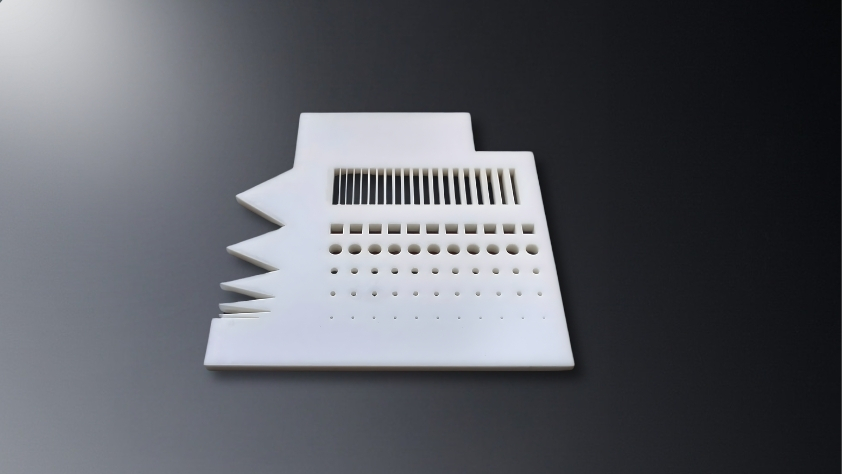
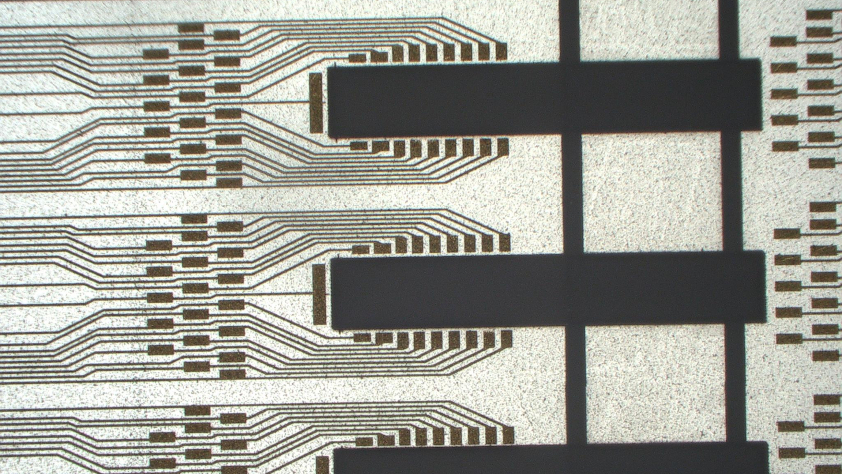
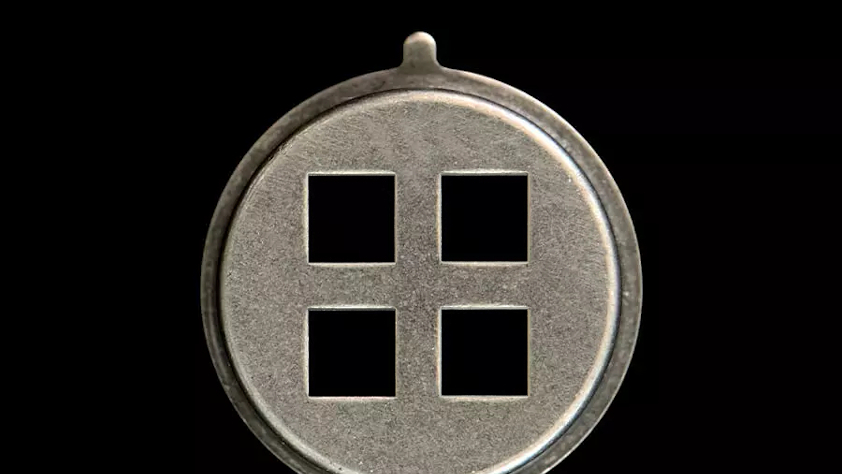
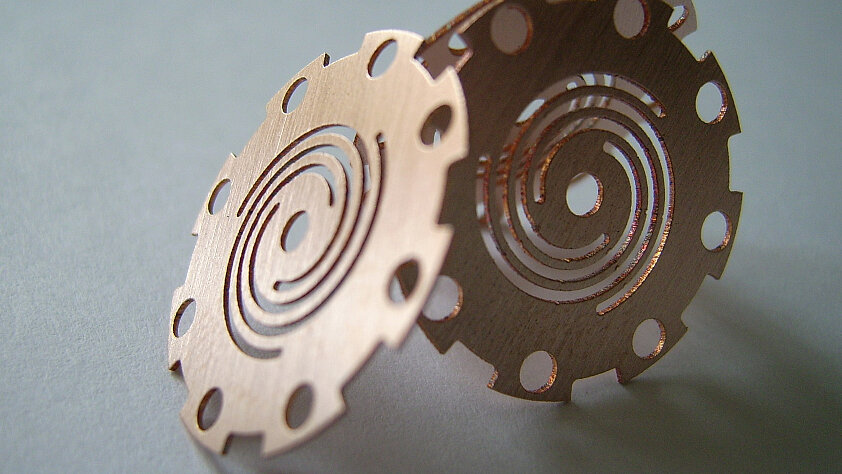
In general, laser technology allows for the creation of complex geometries and delicate structures that cannot be achieved with conventional machining methods.
This brings together two distinctive features:
- technical ceramics for extreme operating conditions and
- high-precision laser machining for sophisticated components.
The combination of innovative materials and modern laser technology offers opportunities for high-Borcarbid defense, aerospace, and other high-tech sectors.
Overview of Laser Processes
We can process high-performance ceramics using the following methods:
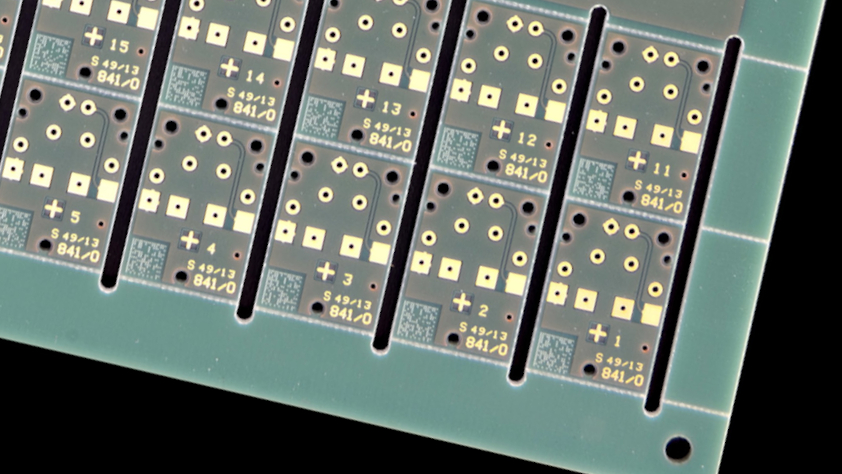
Laser cutting / Laser structuring / Laser drilling
Laser scribing / Laser marking
Would you like to learn more about our high-performance ceramics?
Click here.












![[Translate to English:] Silizium Wafer](/fileadmin/_processed_/4/5/csm_silizium_wafer_842_aca3d0cb65.jpg)